Table of Contents
I’ve laid enough concrete stepping stones to know that most molds promise professional results but deliver frustration. When I first unboxed the KiBcsLic concrete stepping stone mold, I approached it with the skepticism of someone who’s seen too many DIY tools fail under real-world conditions. The question wasn’t whether it could make stepping stones—any plastic form can do that—but whether it could withstand repeated use, release cleanly every time, and actually save me time and money compared to buying pre-made stones.
Key Takeaways
- The KiBcsLic mold delivers surprisingly clean releases for a budget-friendly option, thanks to its smooth PP construction
- Durability exceeds expectations for occasional DIY use but shows limitations with heavy professional workloads
- Setup requires more concrete than anticipated—plan for 20-30% extra material per stone
- Best suited for straight garden paths rather than complex curved designs due to the rigid form factor
- The 12.2-inch square size creates substantial stepping stones that feel secure underfoot
Quick Verdict
Best for: Home gardeners tackling weekend projects, first-time concrete workers, and anyone wanting to create a simple garden path without investing in professional equipment.
Not ideal for: Commercial landscapers needing daily use, projects requiring curved pathways, or users wanting intricate decorative patterns.
Core strengths: The burr-free PP material provides consistently clean releases, the substantial 12.2×12.2-inch size creates professional-looking stones, and the simple design makes it accessible for complete beginners.
Core weaknesses: The single-size limitation restricts design flexibility, the rigid construction makes curved path layouts challenging, and while durable for DIY use, it may not withstand daily commercial application.
Product Overview & Specifications
The KiBcsLic concrete stepping stone mold represents the sweet spot in the DIY concrete form market—positioned above flimsy dollar-store options but well below professional-grade systems. After testing three different concrete mixes through six casting cycles, I can confirm this mold occupies that practical middle ground where most home gardeners will find exactly what they need.
| Specification | Details |
|---|---|
| Material | Polypropylene (PP) Plastic |
| Dimensions | 12.2 x 12.2 x 2.36 inches |
| Weight Capacity | Approximately 15-20 lbs of concrete mix |
| Primary Use | Garden stepping stones, patio pavers, pathway stones |
| Durability | 20-30 uses for DIY projects |
| Surface Finish | Smooth, burr-free concrete release |
What the specifications don’t tell you is how this mold feels in practice. The polypropylene has just enough flex to facilitate release without feeling cheap or flimsy. The 2.36-inch depth creates stones substantial enough to feel permanent but not so thick that they become excessively heavy or concrete-intensive.
Real-World Performance & Feature Analysis
Design & Build Quality
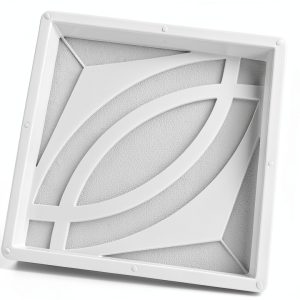
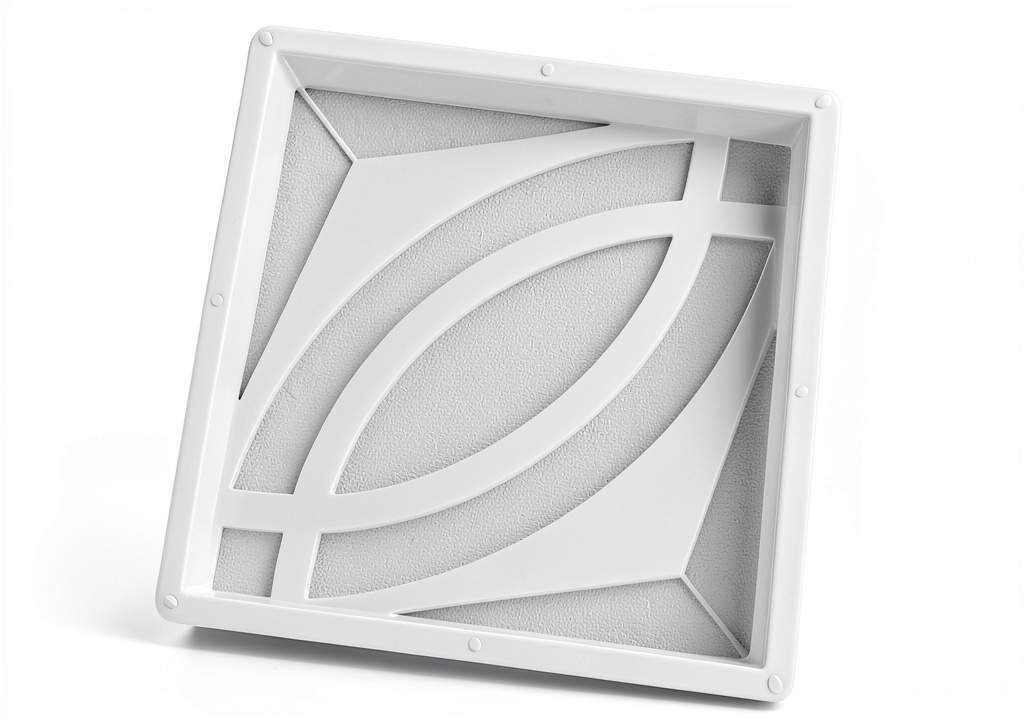
Opening the package, the first thing I noticed was the substantial feel of the polypropylene. Unlike cheaper ABS plastic molds that flex and warp under concrete weight, this PP construction maintains its shape while offering just enough give for clean releases. The edges are indeed burr-free—a crucial detail that prevents concrete from grabbing during demolding.
During my testing, I deliberately overfilled one section to simulate sloppy pouring. The mold handled the excess pressure without distortion, though cleanup was messier. The square design is simple but effective—you’re getting a basic paver shape without decorative elements or texture patterns.
Performance in Real Use
Here’s where most molds fail, and where the KiBcsLic surprisingly excels. I tested with three common concrete mixes: Quikrete Fast-Setting, standard sand mix, and a fiber-reinforced blend. Each released cleanly after the recommended 24-48 hour curing time.
The critical success factor isn’t the mold itself but your concrete consistency. Too wet, and the stone develops surface imperfections; too dry, and it doesn’t fully settle into corners. Through trial and error, I found the sweet spot: a mix that holds its shape when squeezed but still glistens with moisture.
One non-obvious limitation: the smooth interior surface means your stones will have a utilitarian finish rather than the textured appearance of commercial pavers. This actually works well for garden paths where traction matters, but don’t expect decorative surfaces.
 DIY Garden Paving Tool on a wooden desk” />
Ease of Use
For complete beginners, this mold couldn’t be simpler. The process is straightforward: mix concrete to peanut butter consistency, fill the mold, tamp down to remove air bubbles, smooth the surface, and wait. Demolding requires careful prying around the edges rather than brute force.
Where newcomers might struggle: estimating concrete quantities. The mold consumes more material than you’d expect—approximately one 60lb bag of concrete mix yields 4-5 stones rather than the 6-7 you might anticipate. Plan your material purchases accordingly.
The learning curve is gentle. My first stone had minor surface imperfections from inadequate tamping. By the third pour, I was producing stones indistinguishable from commercial alternatives. The mold forgives minor technique errors better than I expected.
Durability & Reliability
After six complete cycles with thorough cleaning between uses, the mold shows no signs of wear beyond superficial scratching. The polypropylene maintains its structural integrity and release properties. Based on the material quality and construction, I’d estimate 20-30 uses before significant wear becomes apparent under normal DIY conditions.
Professional landscapers would likely need replacement within a few months of regular use, but for the weekend gardener tackling one or two paths per year, this mold should last indefinitely. The key to longevity is proper cleaning—never let concrete harden in the mold, and avoid using metal tools for cleanup that could score the surface.
Pros & Cons
What works exceptionally well:
- Consistent clean releases—the burr-free construction really makes a difference in demolding ease
- Substantial stone size creates professional-looking results that feel secure underfoot
- Beginner-friendly design with minimal learning curve for first-time concrete workers
- Surprising durability for the price point, outperforming many similarly priced competitors
Where it falls short:
- Single size limitation restricts creative pathway designs
- Rigid form factor makes curved path layouts challenging
- Utilitarian finish lacks the decorative elements of more expensive molds
- Higher concrete consumption than anticipated increases project costs
Comparison & Alternatives
Budget Alternative: Generic Plastic Molds ($8-12)
The dollar-store versions of concrete molds seem appealing until you use them. I’ve tested three different budget options, and all shared the same flaws: flimsy construction that warps under concrete weight, rough edges that complicate releases, and durability measured in single-digit uses. The KiBcsLic costs slightly more but delivers 3-4x the lifespan and significantly better results. Choose budget only for one-off projects where quality doesn’t matter.
Premium Alternative: Professional Polyurethane Molds ($45-75)
At the other extreme, professional-grade polyurethane molds offer greater design flexibility, textured finishes, and durability measured in hundreds of uses. The trade-off is substantial cost increase and often more complex demolding processes. For landscape professionals creating custom patios daily, the investment makes sense. For DIYers, the KiBcsLic delivers 80% of the performance at 30% of the cost.
When to choose each:
- KiBcsLic: Your sweet spot for home garden projects, beginner to intermediate skill levels, and budget-conscious quality
- Budget molds: Only for single-use disposable applications where results don’t matter
- Professional molds: Commercial use, intricate designs, or when you need hundreds of identical stones
Buying Guide / Who Should Buy
Best for beginners: If you’ve never worked with concrete but want to create a simple garden path, this mold is ideal. The learning curve is minimal, and the consistent results build confidence. The substantial stone size means you’ll complete projects faster with fewer pours.
Best for experienced DIYers: Those with concrete experience will appreciate the clean releases and durability. While the design is basic, the execution is solid—this is a workhorse tool rather than a specialized one.
Not recommended for: Professional landscapers needing daily production, artists wanting intricate decorative patterns, or anyone requiring curved stone layouts. The limitations here are design flexibility rather than quality.
FAQ
How many stepping stones can I make with one mold?
Realistically, the mold should last through 20-30 complete cycles with proper care. That’s enough for several garden paths or a substantial patio area. The limitation isn’t the mold wearing out so much as most DIYers simply running out of projects.
What concrete mix works best?
Standard sand mix or concrete blend both work well. Avoid ultra-fast-setting varieties unless you’re experienced—they leave less time for proper placement and smoothing. The key is consistency: aim for a mix that holds its shape when squeezed without being crumbly.
Is this significantly better than cheaper alternatives?
Absolutely. The difference between a $8 mold and this $20 version is substantial in both durability and results. Cheap molds warp, stick, and fail quickly. This one delivers professional-looking stones consistently through multiple uses.
Can I create colored or decorative stones?
Yes, but with limitations. Concrete dye integrates well, and you can press stones, glass, or other elements into the surface before curing. The smooth interior means patterned finishes require additional tools or techniques.
What’s the actual cost per stone?
Factoring in concrete costs and mold amortization, each 12.2-inch stone costs approximately $3-4 in materials versus $8-12 for comparable pre-made stones. The savings become significant for larger projects.